
Where to Stay for Yellowstone: Inside the Park vs Nearby Towns

Planning a trip to Yellowstone National Park comes with one of the most important decisions you’ll make before you arrive: whether to stay inside the park or base yourself in a nearby gateway town. The choice affects how much you see, how much you drive, and what kind of experience you have overall.
Both options work well. The right one depends on how you like to travel and how early you’re booking.
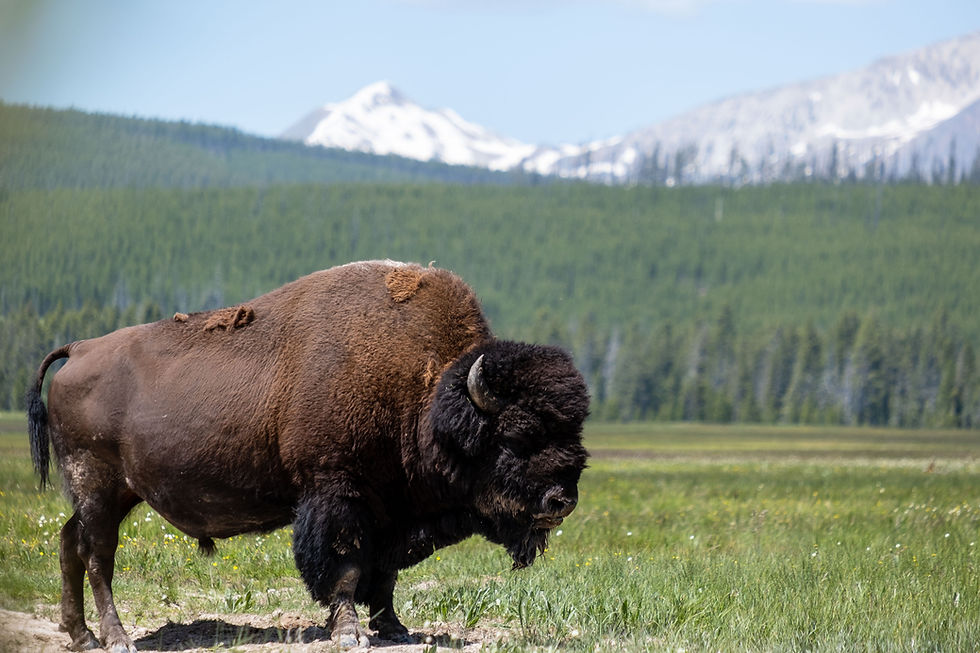
Staying Inside Yellowstone National Park
Staying inside the park puts you directly in the landscape you came to see. You’re already surrounded by geysers, wildlife, and major sights when you step outside in the morning, which cuts down on driving and maximizes time in the park.
Some of the main in-park lodging areas include:
Old Faithful Inn
Mammoth Hot Springs Hotel
Lake Yellowstone Hotel
Canyon Lodge and Cabins
Advantages
You’re already inside the park, so there’s minimal commuting
Easier access to sunrise, sunset, and wildlife activity times
Less time spent waiting at park entrances
A more immersive national park experience overall
Drawbacks
Lodging books out far in advance, often 6–12 months ahead
Prices are higher than surrounding towns
Limited dining options and basic amenities
Less flexibility if you want to change plans last minute
Staying Outside the Park (Gateway Towns)
The towns surrounding Yellowstone are known as gateway communities. These are the most common alternative when in-park lodging is full or when travelers prefer more comfort and convenience.
Main gateway towns include:
West Yellowstone, Montana
Located right at the west entrance, this is one of the busiest and most convenient base areas for accessing the park’s geyser basins.
Gardiner, Montana
Sits at the north entrance and is the closest access point to Mammoth Hot Springs. It also has the advantage of being open year-round.
Jackson, Wyoming
A more developed and upscale town. It’s often used by travelers combining Yellowstone with Grand Teton National Park.
Cody, Wyoming
A historic Western town on the east side of the park, known for museums and rodeo culture.
Cooke City, Montana
A small, remote town near the northeast entrance, offering a quieter and more scenic stay.
Advantages
More availability, even during peak season
Wider range of pricing options
Restaurants, groceries, and services are easier to access
More flexibility for changing plans
Drawbacks
Longer daily drives into the park
Time lost entering and exiting each day
Traffic at entrances during busy months
Driving and Distance Considerations
Yellowstone is large enough that driving times inside the park can already be significant. Where you stay determines how much of your day is spent on the road versus exploring.
Staying inside the park reduces driving and maximizes time at attractions
Staying outside the park means more flexibility but longer daily travel
For longer trips, some visitors split their stay between two different entrances to reduce driving time and cover more ground.

Choosing the Right Option
Staying inside the park makes sense if you want early access to major sites, are focused on photography or wildlife, or booked well in advance.
Gateway towns are better if you want more availability, better amenities, or are planning a trip closer to your travel dates.
Where to Stay for Yellowstone: Inside the Park vs Nearby Towns
There isn’t a single best place to stay for everyone. Inside the park gives you proximity and immersion, while gateway towns give you flexibility and comfort. Most travelers end up choosing based on availability first, then refining the experience around that.
Either way, planning ahead makes a noticeable difference in how smoothly your Yellowstone trip goes and how much you’re able to see.


Comments