
What It Really Costs to Heat a Home in Montana?

If you live in Montana, you already know winter isn’t just a season — it’s a commitment. From October through April (and sometimes longer), heating your home isn’t optional, and it isn’t cheap. Whether you’re budgeting for the year ahead or thinking about moving here, heating costs are something you need to understand before that first cold snap hits.
Here’s what Montanans actually pay to stay warm — and what makes the biggest difference when those bills start showing up. So what It Really Costs to Heat a Home in Montana?

Why Heating Is Such a Big Deal Here
Montana has one of the longest heating seasons in the country. Even on “nice” winter days, overnight temperatures often drop well below freezing. That means furnaces run constantly, pipes need protecting, and heat stays on far longer than people from warmer states expect.
For many households, heating is the single largest utility expense of the year.
What Heating a Home Costs in Montana (By Fuel Type)
Natural Gas
Where it’s available, natural gas is usually the most affordable and predictable option.
Most homeowners pay around $150 to $250 per month during the coldest winter months.
Over a full winter, that often adds up to $1,000 to $1,800, depending on home size and insulation.
Natural gas prices can fluctuate, but it’s still the most cost-effective option for many Montana towns and cities.
Electric Heat
Electric heat is common in apartments, older homes, and some newer builds — but it tends to cost more in deep cold.
Winter electric bills often land between $200 and $300 per month, and can go higher during prolonged cold spells.
Over the season, many households end up paying $1,400 to $2,400 just for heat.
Electric systems work, but when temperatures stay low for weeks at a time, costs add up fast.
Propane
In rural areas without natural gas lines, propane is often the only option.
Monthly winter costs commonly run $250 to $400 or more, depending on usage and delivery prices.
A full winter can easily cost $1,600 to $3,000+.
Propane prices swing year to year, and cold snaps can burn through tanks quicker than expected, which catches a lot of new homeowners off guard.
Wood Heat
Wood stoves are common in Montana, especially as a backup or supplemental heat source.
Up-front installation can cost a few thousand dollars.
Monthly costs vary widely — from fairly cheap if you cut your own wood to $200–$300 per month if you’re buying cords.
Wood heat can lower overall costs, but it’s time-consuming and not for everyone. Most people use it alongside another heating system.
What Actually Drives Your Heating Bill
Heating costs aren’t just about fuel. A few other things matter just as much:
Home size and age:
Older homes with poor insulation can cost significantly more to heat than newer, tighter builds.
Insulation and air leaks:
Drafty windows, doors, and crawl spaces quietly drain heat — and money.
Thermostat habits:
Keeping the house a few degrees warmer all winter can add hundreds of dollars by spring.
System efficiency:
Older furnaces work harder and cost more. Newer high-efficiency systems can reduce heating costs noticeably over time.
Ways Montanans Keep Heating Costs Manageable
Budget billing spreads winter costs evenly across the year.
Sealing drafts and adding insulation often saves more money than upgrading equipment.
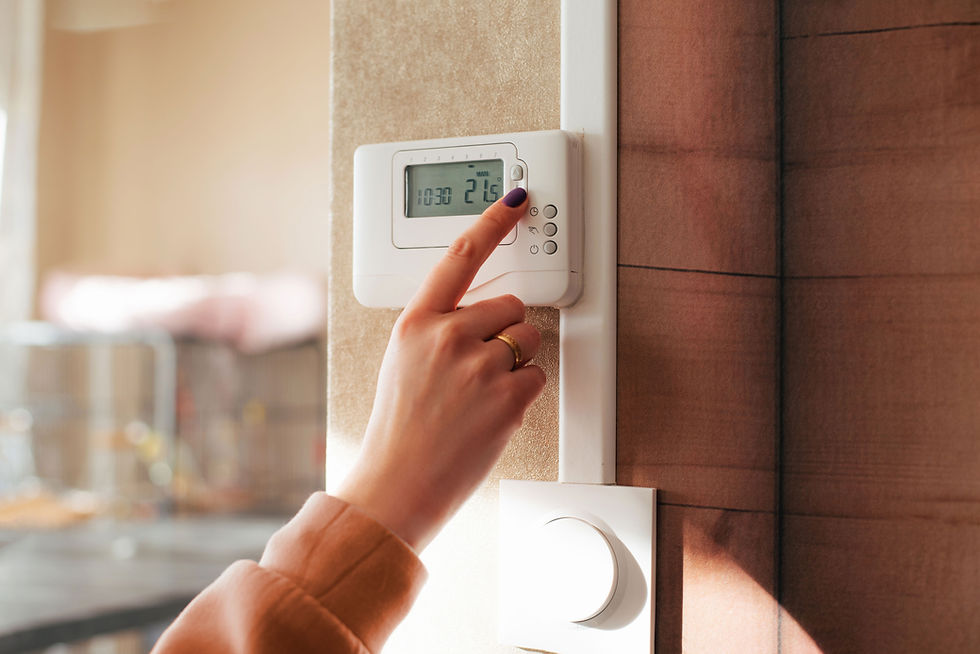
Smart thermostats help avoid heating an empty house.
Regular furnace maintenance keeps systems running efficiently when they’re needed most.
For many homeowners, small improvements add up faster than big upgrades.

The Bottom Line
Heating a home in Montana isn’t cheap — and it never will be. But it is predictable if you know what to expect. Most households should plan on spending well over $1,000 per winter on heating, and possibly much more depending on fuel type and home efficiency.
If you’re moving here, factor heating into your budget early. If you already live here, the best money you can spend is often on insulation, sealing, and efficiency — not just turning the thermostat down and hoping for the best.
Winter is part of life in Montana. Staying warm just happens to come with a price.
Comments